





ESS Liquid Cooling
JONSN Micro Gear Pumps — Energy Storage System Thermal Management Scheme
Container storage circulation · Commercial and industrial cooling · Thermal runaway sprinkler — from routine temperature control to emergency safety, three layers of protection fully covered
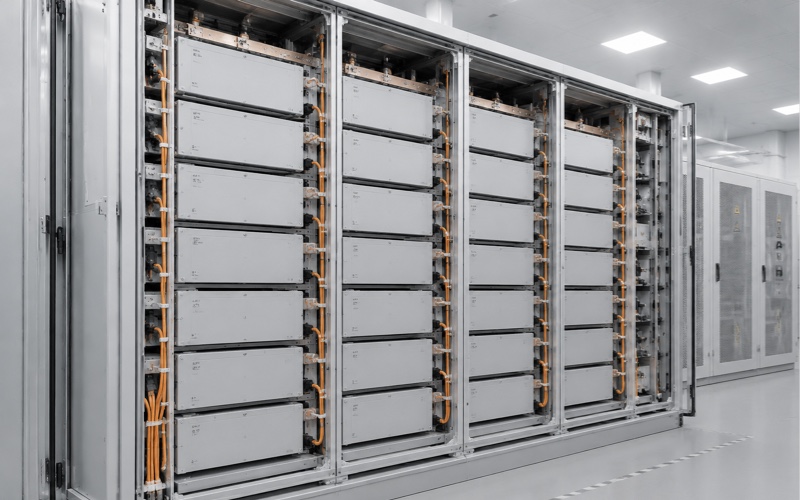
Global energy storage installation is growing explosively, and in 2025 the accumulated new-type storage capacity in China has passed 100 GW. The cell consistency of electrochemical storage (lithium iron phosphate as the mainstream) is extremely sensitive to temperature — a temperature difference of more than 5 °C can already cause a cycle life decay of 15%–20%, and in severe cases triggers a thermal runaway chain reaction. Energy storage thermal management has therefore been upgraded from "air conditioning temperature control" to a three-dimensional safety system combining precision liquid cooling temperature control and fire sprinkler linkage.
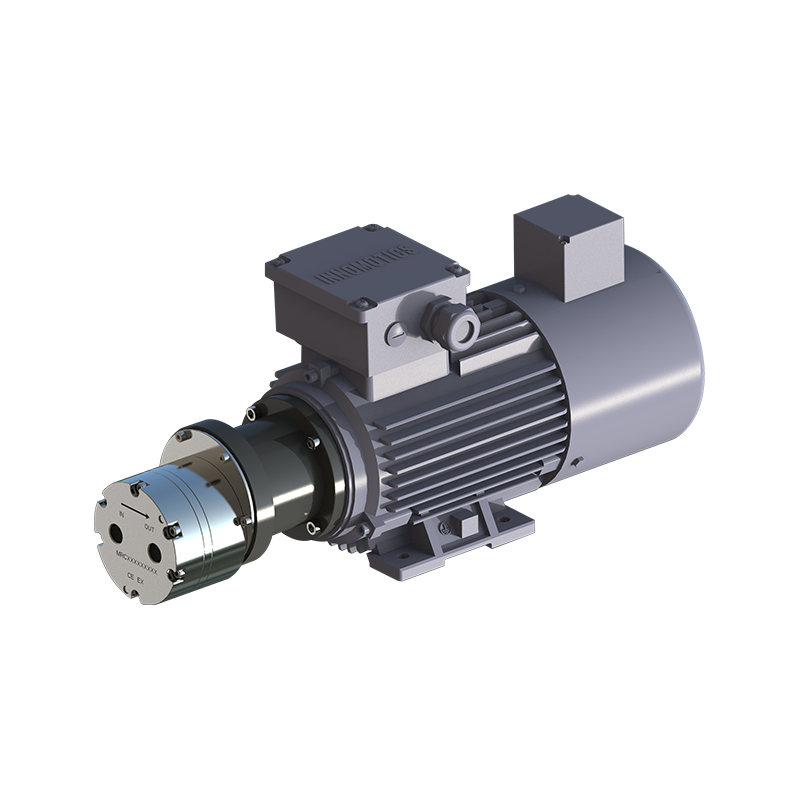
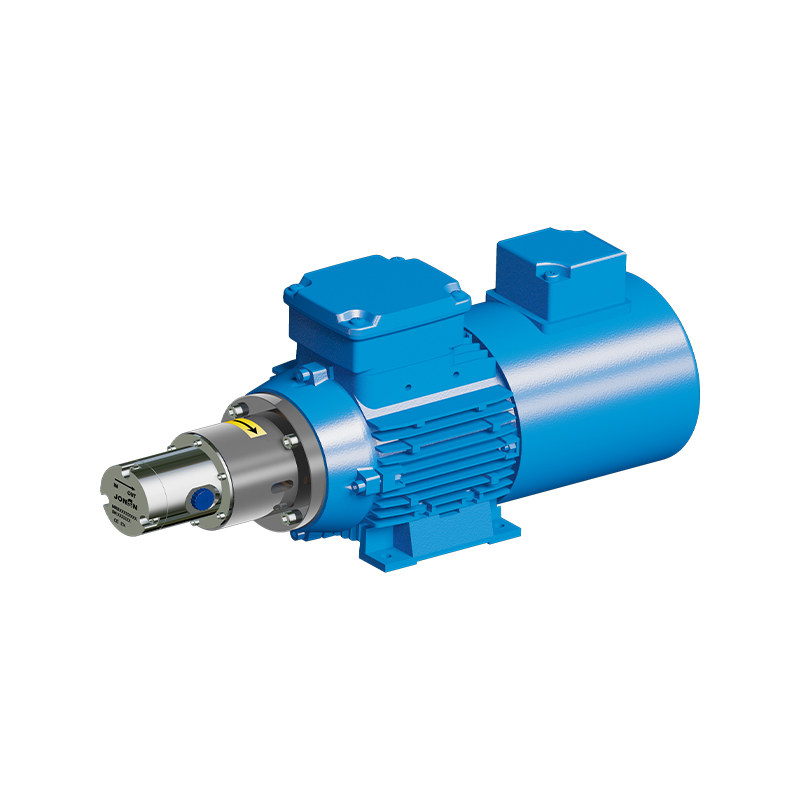
Three core thermal management scenarios run through the whole life cycle of the storage system: during normal operation, the precise circulation of the coolant inside the container or the commercial and industrial cabinet keeps the cell temperature difference below 3 °C; when the temperature is abnormal, the cooling capacity is increased rapidly to suppress the temperature rise; at the critical moment of thermal runaway, the fire sprinkler system is triggered within milliseconds and injects the agent precisely to suppress re-ignition. The JONSN MR series micro gear pumps, with the three foundations of positive displacement without pulsation, fully magnetic zero leakage and a PEEK + ceramic fully chemically inert flow path, support the three safety lines of energy storage thermal management.
Industry Pain Points
JONSN Solution: Three Safety Lines
Main circulation flow 0.8–48 L/min, covering 5–40 ft container storage
PEEK + ceramic fully inert flow path, does not catalyse glycol oxidation, coolant life 8 years+
Pressure rating 6 MPa, unafraid of the high pressure drop of the long cold plate array pipework
Flow 0.1–4.8 L/min, matching the thermal load of 100 kWh to 1 MWh cabinets
φ30 × 90 mm micro volume, embedded directly in the in-cabinet liquid cooling distribution unit
Optional Modbus / CANopen communication, flow feedback connected to the BMS cloud monitoring
< 50 ms discharge response, from the BMS trigger to the agent outlet the delay is negligible
40 μl/r displacement, a single discharge of 5–500 mL is programmable, meeting the graded fire protection of GB 51048
PEEK inert to perfluorohexanone, heptafluoropropane and fine water mist, no corrosion in the pump chamber after 10 years of standby
Product Selection Quick Reference
| Thermal Management Scenario | Medium | Recommended Series | Key Index |
|---|---|---|---|
| Container main circulation | Glycol-water coolant | MRC / MRE | 0.8–48 L/min, temperature difference ≤ 3 °C, pressure rating 6 MPa |
| Commercial cabinet liquid cooling | Low-conductivity coolant | MRA / MRB | 0.1–4.8 L/min, φ30 micro embedding, CAN to the cloud |
| Thermal runaway fire sprinkler | Perfluorohexanone / heptafluoropropane / fine water mist | MPG | < 50 ms trigger, 5–500 mL programmable discharge |
| Online coolant top-up | Glycol / deionized water | MPG | 40 μl/r, micro top-up when the water loss rate is < 0.5%/year |
| Cell testing temperature control | Coolant / silicone oil | MPG / MRA | Precision supply on an R&D test bench, ±0.2% flow accuracy |
| Periodic coolant change | Aged coolant draining | MRE / MRF | 4–67 L/min large-flow rapid draining |
| PCS power module cooling | Glycol coolant | MRA / MRB | 0.1–4.8 L/min, matching 500 kW to 2 MW PCS |