



Liquid CoolingLiquid Cooling
Liquid Cooling
HomeCaseLiquid CoolingProcess Chillers & Laser Cooling

Process Chillers & Laser Cooling

2026-11-25
View:7
Applications · Liquid Cooling · Semiconductor Equipment & Laser Thermal Control

High-Precision Low-Flow Liquid Cooling Conveying with Deionized Water

Deionized water · ±0.5% flow stability · zero metal ion release · pulsation-free protection of micro channels
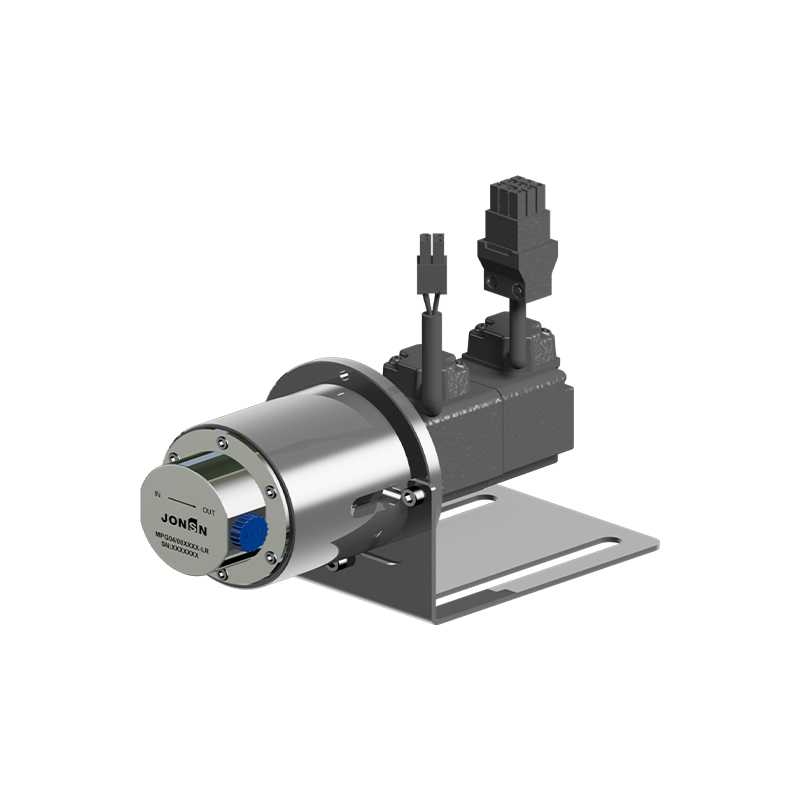
MPG · High-precision low flow
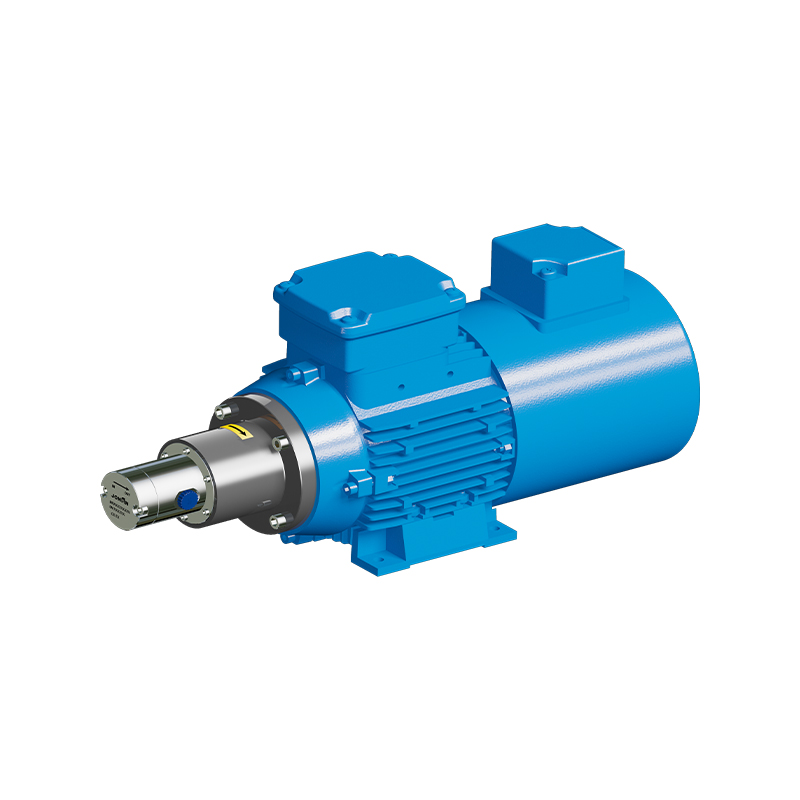
MRA · High cleanliness, small flow
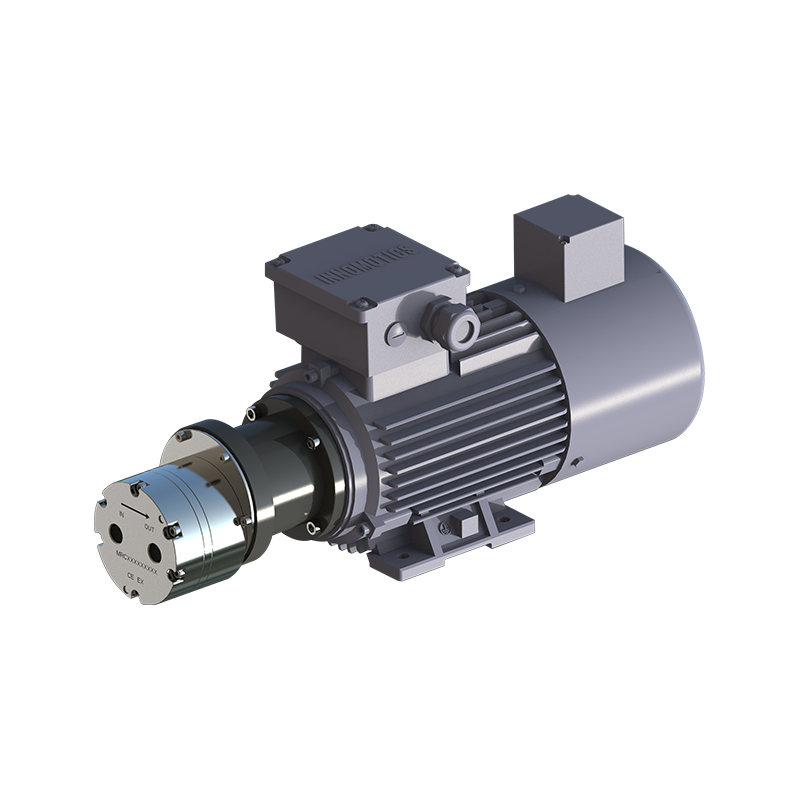
MRC · Main circulation
MDC · Constant-temperature closed loop
Zero metal ion release
±0.5% flow stability
Pulsation ≤ 1%, continuous displacement
No dynamic seal, zero leakage
矩形 6备份 15.jpg
Content Summary

In etching, lithography and laser processing equipment, the liquid cooling circuit carries more than heat dissipation. When the process window narrows and the optical system becomes ever more sensitive to temperature change, the flow itself becomes part of the temperature control accuracy: every drift of the flow changes the heat transfer rate, and the chamber temperature, the laser wavelength and the device junction temperature all shift with it. With the magnetic-drive precision gear pump at its core, JONSN provides a small-flow, high-accuracy, low-pulsation conveying solution for the deionized water circuit.

01 · Scenarios: Six Thermal Control Circuits, One Flow Problem

Etching equipment
The electrostatic chuck (ESC), the chamber wall and the RF matcher of etching equipment generally use deionized water or a water-glycol mixture for cooling. The conductivity of the medium has to stay low over the long term; any metal ion release affects the insulation and the adsorption uniformity of the ESC, and may form deposits in fine flow passages. The finer the flow passage, the more sensitive it is to pressure shock, so the smoothness of the displacement of the conveying component matters more than simply whether "the flow is enough".
Lithography chiller circulation
The lithography chiller circulation provides a constant-temperature environment for the projection objective, the light source and the wafer stage. The temperature control system keeps the temperature at the set point by regulating the heat exchange, which requires the flow through the heat exchanger to be constant; periodic pulsation is amplified into temperature fluctuation, which is further reflected in the imaging stability and the overlay accuracy. The same logic applies to laser cooling: solid-state lasers, fiber lasers and LD bar micro-channel cold plates have a high heat flux density, and a small change in junction temperature brings wavelength drift and output power fluctuation.
IGBT and RF power device cooling
The cold plate circuits of IGBT modules and RF power devices face stepped heat loads, and require the pump to hold the set flow while the load changes rapidly, so that the junction temperature does not repeatedly shock the life of the power devices.
Vacuum equipment temperature control
The temperature control of vacuum equipment covers dry pumps, molecular pumps, vacuum chamber walls and cold traps, and such circuits are particularly sensitive to leakage: shaft seal leakage not only causes the loss of coolant, it also carries water vapour and particles into the vacuum environment, which damages the vacuum level and increases shutdown maintenance.

02 · Requirements: The Triple Constraint of Medium, Stability and Micro Channels

The scenarios above put four common requirements on the conveying component. In terms of medium compatibility, the wetted side must not release metal ions into the deionized water, so that the conductivity does not rise and the medium is not contaminated by ions; in terms of flow stability, ±0.5% flow stability has to be maintained under changes of back pressure, temperature and line resistance, so that the heat transfer rate is predictable; in terms of pressure smoothness, a continuous displacement has to replace the periodic shock, to protect the micro-channel cold plates, the LD bars and the flow passages of the electrostatic chuck; in terms of long-term sealing, the ageing dynamic seal has to be cancelled, so that fewer maintenance windows are needed around the cleanroom and the vacuum chamber.

1
Medium compatibility
The wetted side must not release metal ions into the deionized water, so that the conductivity does not rise and the medium is not contaminated by ions.
2
Flow stability
±0.5% flow stability has to be maintained under changes of back pressure, temperature and line resistance, so that the heat transfer rate is predictable.
3
Pressure smoothness
A continuous displacement has to replace the periodic shock, to protect the micro-channel cold plates, the LD bars and the flow passages of the electrostatic chuck.
4
Long-term sealing
The ageing dynamic seal has to be cancelled, so that fewer maintenance windows are needed around the cleanroom and the vacuum chamber.

03 · Advantages: The Combination of Magnetic Drive and Positive Displacement

Magnetic drive
Zero metal ion release
Magnetic coupling isolates the pump chamber completely from the motor and cancels the shaft and the dynamic seal running through the pump body. The deionized water only contacts the inert wetted materials selected for the duty, and does not come into contact with bearings, shaft seals or metal wear surfaces, which reduces the possibility of metal ion release and rising conductivity at the source; at the same time it removes the leakage path formed by the ageing of the shaft seal, which suits long-term continuous running around vacuum equipment and clean chambers. For circuits where conductivity is the key index, "zero metal ion release" is not an additional advantage but a precondition for the medium to be usable.
Metering
Continuous, calculable displacement
The gear meshing forms a continuous, calculable volumetric displacement, and combined with closed-loop speed control the flow is insensitive to back pressure fluctuation. Even when the chiller circuit switches duty, the filter gradually blocks or the line temperature changes, ±0.5% flow stability can still be maintained. For the temperature control system this means the heat transfer rate is a controllable quantity rather than an interference quantity that drifts with the duty — when the flow holds steady, the temperature holds steady.
Pulsation
Pulsation ≤ 1%, micro channels protected
Unlike the periodic displacement of diaphragm and plunger pumps, the gear pump output is an almost constant continuous flow and the pulsation can be held at ≤1%, so the vibration of the line and the pressure shock are significantly reduced. The micro-channel cold plate no longer has to bear repeated pressure shock, and the optical platform and the wafer stage lose one source of vibration — this is exactly what "pulsation-free protection of the micro channels" means in engineering terms. On the branches with higher cleanliness requirements, the JONSN-MRA series adopts a PTFE lining and ceramic gears, further restricting the wetted side to non-metallic materials and meeting the requirements of class 5 cleanliness applications.

05 · Parameters: Typical Specification of the Representative Model

Specifications
JONSN-MPG · High-Precision Low-Flow Representative Model
ItemTypical Index
Typical flow100 ml/min
Maximum pressure difference10 bar
Flow stability±0.5%
Flow pulsation≤ 1%
Drive and sealingMagnetic coupling, no dynamic seal, zero leakage
Applicable mediumDeionized water (DI water), water-glycol mixture
Note: the above are the typical parameters of the high-precision low-flow representative model; the JONSN-MRA, JONSN-MRC and MDC are configured separately according to the circuit flow, head, medium and temperature control target, with the corresponding model selection manual as the reference.

06 · Selection: Configure by the Position in the Circuit

Selection
Liquid Cooling Duty · Circuit Position · Recommended Series
Liquid Cooling Thermal Control ScenarioCircuit PositionRecommended Series
Etching equipment (ESC / chamber / RF matcher)Local precision branchesJONSN-MRA / JONSN-MPG
Lithography chiller circulationPrecision branch + main circulationJONSN-MPG / JONSN-MRC
Laser cooling (LD bar / micro-channel cold plate)Small-flow precision branchJONSN-MPG
IGBT / RF power device coolingCold plate branch + main circulationJONSN-MPG / JONSN-MRC
Vacuum equipment temperature control (dry pump / molecular pump / cold trap)Equipment main circulationJONSN-MRC
Independent constant-temperature unitConstant-temperature closed loopMDC control box

Please Contact Us!

ADDRESS

Building A3, Qiuyue Science and Technology Park, Ganzhou Economic and Technological Development Zone, Jiangxi Province

Tel.

0086-21-34720020

Follow Us

CopyRight © 2026 - Shanghai JONSN Fluid Equipment Co., Ltd.  All rights reserved  Sitemap All tags  Designed by Zhonghuan Internet
WHAT ARE YOU LOOKING FOR?
*
This field is required
Total quantity you need
*
This field is required
*
This field is required
Email format error
Due to email instability, you might miss our correspondence. Please provide your phone number for alternative contact.
This field is required
Telephone information is wrong!
Send Message
Get Custom Fluid Dosing Selection Solution
Starting a new project? Contact us for tailored pump solutions — from inlet specs and pipe sizing to motor matching and drawings — designed to fit your working conditions and accelerate your R&D cycle.
Company Name
*
This field is required
Email
*
This field is required
Email format error
Phone
This field is required
Telephone information is wrong!
WhatsApp
Message
*
This field is required
Send Message